
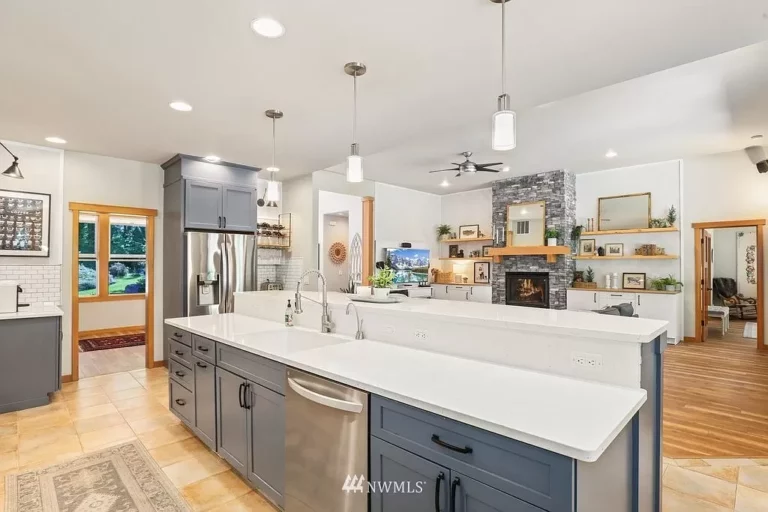
Quartz vs Quartzite Countertops: You’ve heard both terms, and if you’re in the market for new countertops, you may be wondering what the actual difference is between quartz and quartzite. Both materials are popular choices for kitchen countertops in the Puget Sound region and offer a variety of benefits, but there are some key differences to consider when making your decision. Understanding the differences between Quartz vs Quartzite Countertops is essential.
Quartz is a man-made material that is composed of ground quartz and resin. It is extremely durable and resistant to scratches and stains, making it a practical choice for busy kitchens. It is also non-porous, meaning it won’t harbor bacteria or germs, making it easy to keep clean. Quartz is more sensitive to heat than natural stones, so you will want to be careful to always use a trivet or other heat padding when setting down hot cookware. Quartz is also not UV ray resistant, so we do not recommend it for outdoor applications.
When it comes to choosing between Quartz vs Quartzite Countertops, it’s crucial to consider your lifestyle and the look you want to achieve.
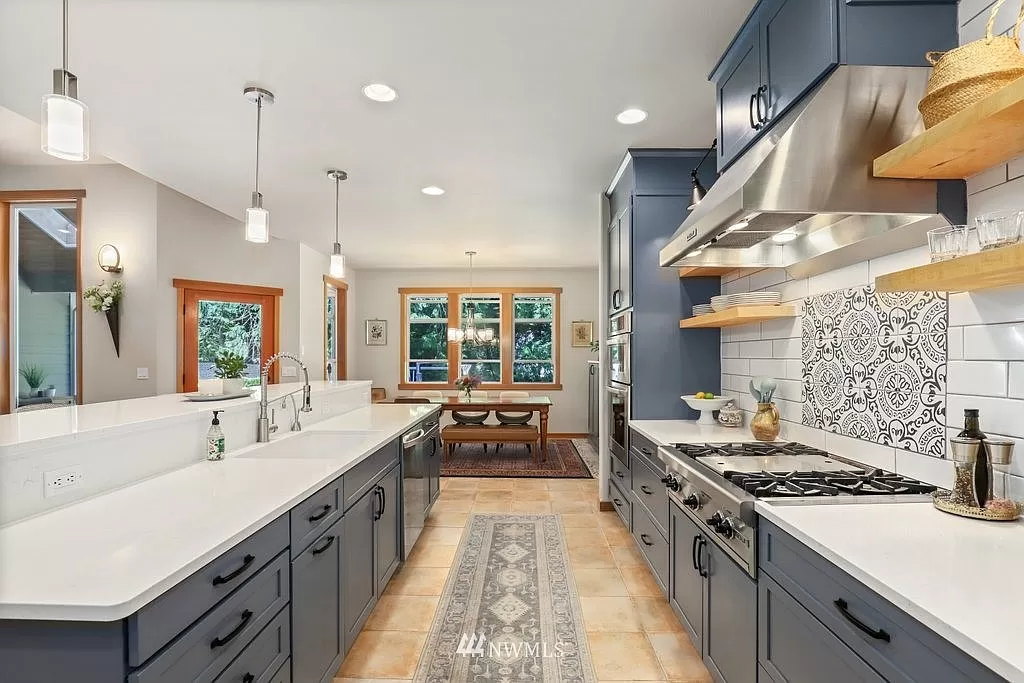
Quartzite, on the other hand, is a natural stone that is formed from sandstone and undergoes a metamorphosis process that makes it harder and more durable than its original form. It is also resistant to scratches and stains, but it is more porous than quartz, so it may require more maintenance to keep it sealed and stain-free. Quartzite is heat and UV ray resistant and can be used in both indoor and outdoor settings.
Additionally, when considering Quartz vs Quartzite Countertops, the aesthetic differences can influence your choice significantly.
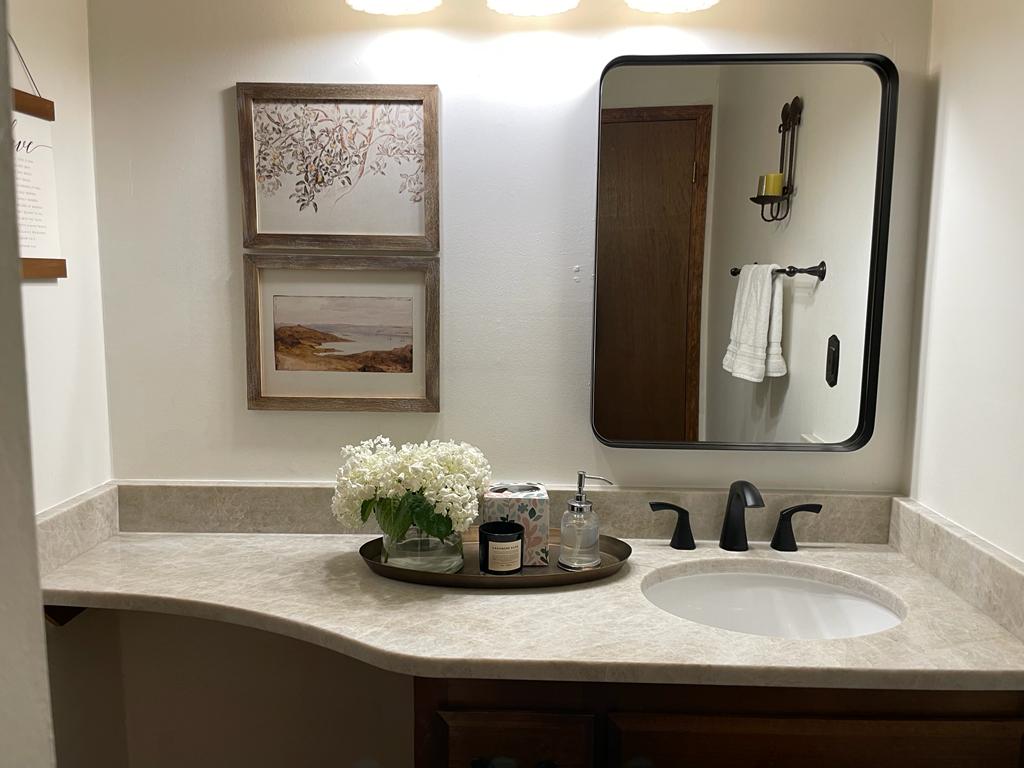
One of the main differences between quartz and quartzite is their appearance. Quartz is available in a wide range of colors and patterns, as it is made with pigments and can be customized to achieve a specific look. Quartzite, on the other hand, is mostly found in shades of white, beige, and gray, and it often has a more subtle, natural pattern.
In terms of versatility, Quartz vs Quartzite Countertops offer unique features that cater to different preferences.
Quartz vs Quartzite Countertops: Key Features and Benefits
You’ve heard both terms, but you may be wondering what the actual difference is between quartz and quartzite. Both materials are popular choices for kitchen countertops in the Puget Sound region and offer a variety of benefits, but there are some key differences to consider when making your decision.
Ultimately, the choice between Quartz vs Quartzite Countertops comes down to personal preference and practical requirements.
Quartz is a man-made material that is composed of ground quartz and resin. It is extremely durable and resistant to scratches and stains, making it a practical choice for busy kitchens. It is also non-porous, meaning it won’t harbor bacteria or germs, making it easy to keep clean. Quartz is more sensitive to heat than natural stones, so you will want to be careful to always use a trivet or other heat padding when setting down hot cookware. Quartz is also not UV ray resistant, so we do not recommend it for outdoor applications.
Quartzite, on the other hand, is a natural stone that is formed from sandstone and undergoes a metamorphosis process that makes it harder and more durable than its original form. It is also resistant to scratches and stains, but it is more porous than quartz, so it may require more maintenance to keep it sealed and stain-free. Quartzite is heat and UV ray resistant and can be used in both indoor and outdoor settings.
While both materials have their pros and cons, understanding Quartz vs Quartzite Countertops ensures you make an informed decision.
One of the main differences between quartz and quartzite is their appearance. Quartz is available in a wide range of colors and patterns, as it is made with pigments and can be customized to achieve a specific look. Quartzite, on the other hand, is mostly found in shades of white, beige, and gray, and it often has a more subtle, natural pattern.
When it comes to pricing, quartz and quartzite can vary greatly depending on the quality and brand. However, quartz tends to be more affordable than quartzite, which is considered a more premium material. Quartzite’s tough and brittle nature makes it harder to fabricate, which is why the price is typically higher. These same qualities make quartzite more enduring than other high-end stones like marble, which is why quartzite is rapidly becoming a popular choice in higher-end homes.
When comparing prices, think about how the investment in Quartz vs Quartzite Countertops aligns with your long-term plans for your space.
So, which material is right for you?
If you’re looking for a durable, low-maintenance countertop that is available in a variety of colors and patterns, then quartz is a good option. If you’re willing to pay a premium for a more natural-looking countertop that is also heat and UV ray resistant, then quartzite is a good choice.
It’s essential to weigh the benefits of each option when evaluating Quartz vs Quartzite Countertops for your home.
Ultimately, the best way to decide which material is right for you is to visit a local showroom and see the different options in person. Our team at Tops Solid Surface can help you choose the right countertop for your needs and budget. Contact us today to schedule a consultation.
Here are some additional factors to consider when choosing between quartz and quartzite:
Being informed on Quartz vs Quartzite Countertops can enhance your shopping experience.
-
- Durability: Quartz is more durable than quartzite, but both materials are very strong.
- Maintenance: Quartz is easier to maintain than quartzite, as it is non-porous and does not require sealing.
Whether you prioritize durability or aesthetics, understanding Quartz vs Quartzite Countertops will help guide your decision.
-
- Appearance: Quartz is available in a wider range of colors and patterns than quartzite.
- Price: Quartz is typically more affordable than quartzite.
No matter your budget, comparing Quartz vs Quartzite Countertops can provide valuable insights into material selection.
No matter which material you choose, you can be sure that your new countertops will be beautiful, durable, and easy to care for.
In Summary…
In conclusion, evaluating Quartz vs Quartzite Countertops is vital for making the right choice for your home.
When it comes to pricing, quartz and quartzite can vary greatly depending on the quality and brand. However, quartz tends to be more affordable than quartzite, which is considered a more premium material. Quartzite’s tough and brittle nature makes it harder to fabricate, which is why the price is typically higher. These same qualities make quartzite more enduring than other high-end stones like marble, which is why quartzite is rapidly becoming a popular choice in higher-end homes. Read our blog post covering the Pros and Cons of Quartzite to learn more about this beautiful material.
If you’re considering quartz or quartzite for your countertops, it’s important to weigh the pros and cons of each material to determine which one is the best fit for your needs and budget. At Tops Solid Surface, we offer a wide selection of both Quartz vs Quartzite Countertops and can help you choose the right one for your home. Our team of experienced professionals can also handle all aspects of the installation process, ensuring a seamless and stress-free experience. Contact us today to learn more about your options and get started on your countertop project!