When fabricated and installed correctly, nothing beats quartz countertops for durability and looks. Recent news from California has highlighted the risks of purchasing quartz countertops from unsafe countertop fabricators.
When fabricated and installed using proper safety controls, engineered stone countertops offer outstanding durability, beauty, and performance. However, recent industry discussions and regulatory attention have highlighted the importance of how these materials are fabricated and installed—particularly when it comes to silica dust exposure.
At Tops Countertops, we believe informed customers are better equipped to make responsible decisions. Here’s what homeowners should understand about silica dust and countertop fabrication.
What is Silicosis?
Silicosis is a serious lung disease caused by prolonged inhalation of fine crystalline silica dust. The condition is progressive and irreversible, and in severe cases can be life-threatening. Silica dust particles are small enough to penetrate deep into the lungs, where they can cause inflammation and scarring over time.
Why Silica Safety Matters in the Countertop Industry
Engineered stone countertops, commonly referred to as quartz. contain a high percentage of crystalline silica. During fabrication, activities such as cutting, grinding, and polishing can release airborne silica dust if not properly controlled.
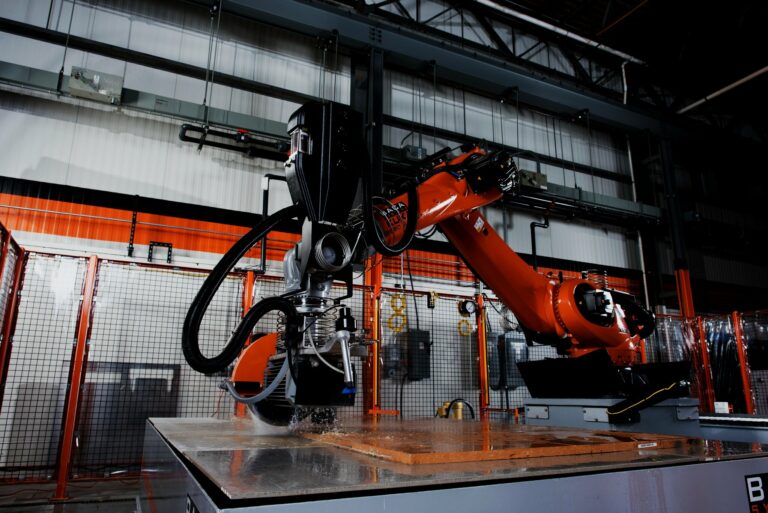
Modern industry standards recognize that dust control methods are essential. Fabrication techniques such as wet cutting, water-fed polishing, localized ventilation, and appropriate personal protective equipment significantly reduce exposure risks when properly implemented.
While some finishing or adjustment work may be necessary during installation, extended dry cutting or grinding of stone materials without dust controls can increase exposure risks and is not consistent with current best practices.
Why Should Customers Like You Care?
Even though silica exposure primarily affects workers, homeowners also benefit from choosing fabricators who prioritize safety:
-
Responsible Practices: Companies that invest in compliant equipment and training are more likely to deliver consistent quality and professional results.
-
Informed Decisions: Understanding how materials are handled helps customers evaluate differences between fabrication approaches, not just price.
-
Ethical Considerations: Supporting companies that follow recognized safety standards encourages better practices across the industry.
Ask Your Countertop Fabricator About Their Safety Standards
Homeowners can take an active role by asking thoughtful, reasonable questions before hiring a fabricator:
-
Fabrication Methods: How are countertops cut and finished? Are wet cutting or dust-control systems used?
-
Safety Controls: What measures are in place to limit silica dust exposure during fabrication and installation?
-
Training & Equipment: Are workers trained on silica safety and provided appropriate protective equipment?
-
Standards & Memberships: Does the company follow OSHA regulations and industry guidance from organizations such as the Natural Stone Institute (NSI) or the International Surface Fabricators Association (ISFA)?
The Role of Regulations and Industry Standards
Workplace safety regulations, including OSHA’s silica exposure standards, establish permissible exposure limits and require employers to implement control measures to protect workers. In addition, industry organizations such as NSI and ISFA publish guidelines and best practices for safe stone fabrication and handling.
Homeowners may ask whether their fabricator is familiar with and follows these standards as part of their normal operations. If you see something that feels sketchy, it probably is sketchy and you can report your concerns to OSHA here.
Additionally, industry associations such as the International Surface Fabricators Association and the Natural Stone Institute and often provide guidelines and resources for best practices in handling silica-containing materials. Customers can ask if their fabricator is a member of such associations and adheres to their guidelines. Currently ISFA and the NSA are working on new industry guidelines intended to better regulate bad actors and to keep our workforce safe.
Our Commitment at Tops Countertops
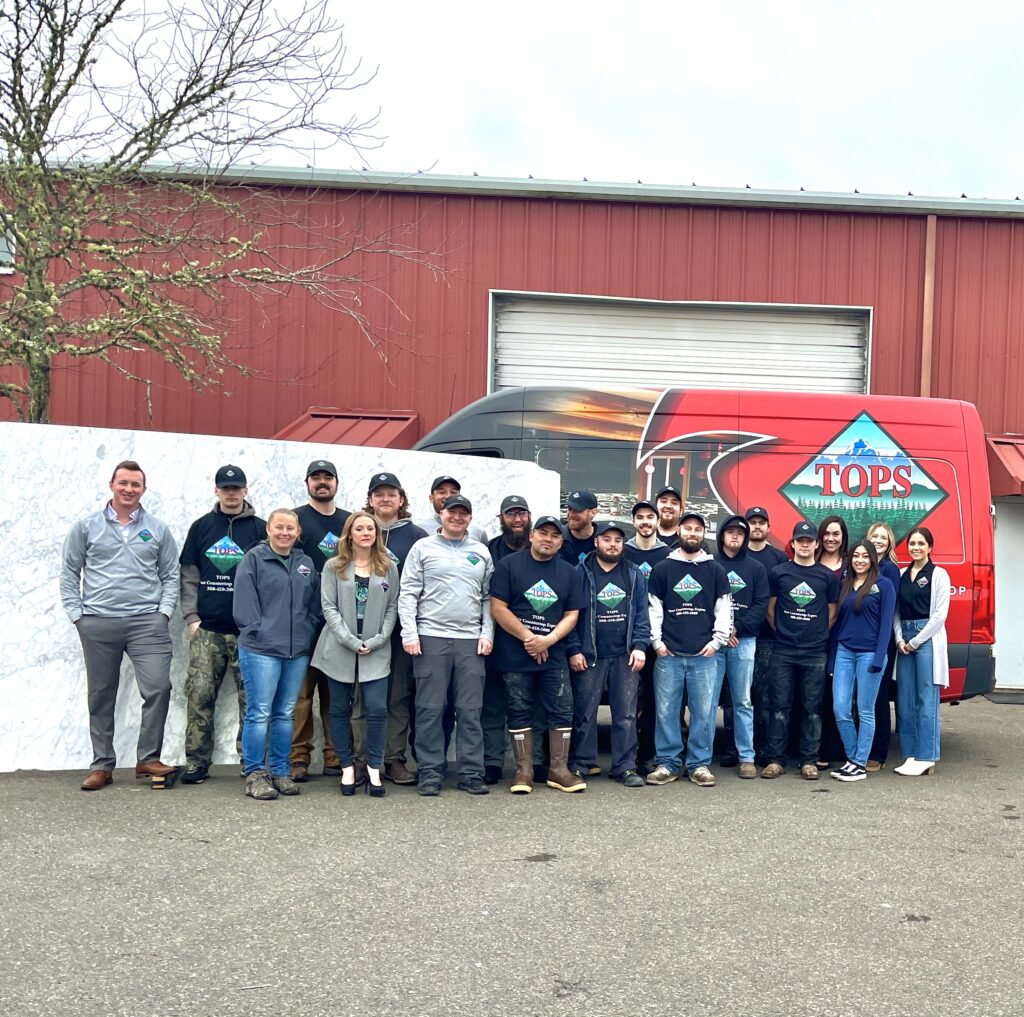
Tops Countertops is committed to maintaining OSHA-compliant safety practices and continually improving our fabrication processes. We utilize water-fed cutting and polishing equipment designed to reduce airborne silica dust and follow recognized industry guidelines. We test our space annually to meet and exceed regulatory standards for air quality.
When fabricated and installed using appropriate controls, quartz countertops can be handled safely and perform reliably for many years. Our goal is to deliver high-quality countertops while maintaining a safe, professional work environment, on time and on budget.